
ABC: partnership on algorithmic bias and safety in Canada
who we are
ABC is a University of Toronto-based interdisciplinary research initiative focused on understanding and addressing algorithmic bias in Canada.Through academic collaboration, public engagement, and partnerships with industry, government, and Indigenous communities, we aim to promote understanding about the effects of algorithmic bias and to shape more equitable AI systems.
news
> Speakers for our Fall 2026 seminar series have been announced. See our line-up below!> The ABC Partinership was featured in an article published by the Faculty of Arts and Science titled "When the algorithm is wrong: A new partnership calls out racism in AI systems." Read here> ABC postdoctoral researcher, Dr. Miron Clay-Gilmore, co-hosts the podcast series, "Algorithms of Empire". Listen here> ABC postdoctoral researcher, Dr. Miron Clay-Gilmore has a new article out in American Philosophical Quarterly: "Paradoxes of Being": Read here
ABC seminar series
Fall 2026
wednesdays 3:00-5:00pm
Centre for Ethics
15 Devonshire Place
sept 16
Leonard Harris
Purdue University
Necro-Being and the Limits of Ethical Theory
sept 30
Ashique KhudaBukhsh
Rochester Institute of Technology
Algorithmic Bias & LLM Failure Modes
oct 14
Ellen Abrams
University of Toronto
Quantification, Knowledge, and Governance
nov 4
Ahmed Ilmi
University of Toronto
Racializing Algorithms, Empire, and Digital Resistance:" The Somali Farud Story
nov 18
Evan Light
University of Toronto
Facial Recognition and Mass Surveillance
dec 2
Beth Coleman
University of Toronto
Data colonialism
podcast
Algorithms of Empire
Hosted by Dr. Miron Clay-Gilmore and Rakeem Shabazzepisode 1.
Guest Dr. Sarah Shokerepisode 2.
Launching the Clay-Gilmore Instituteepisode 3.
Guest Zane Madduxepisode 4.
Guest Dr. Maria Lunguepisode 5.
Guest Dr. Tommy J. Curryepisode 6.
Guest Dr. Jon R. Lindsayepisode 7.
Guest Dr. Gideon Christianepisode 8.
Guest Kinan Imseisepisode 9.
Guests Adam Mahoney and Madeline Thigpenclick here to watch and listen on YouTube
ABC events
-------------------------------------------------
Public Panel Technophilosophy Soiree on AI in Science
25 September, 2026A public panel and discussion on the use of Artificial intelligence as a tool for scientific research, including philosophical questions around how AI could fundamentally change how scientific discoveries are made.-------------------------------------------------Aligning LLMs with human wellbeing
9 July, 2026An interdisciplinary workshop covering (i) debates within the philosophy of well-being, with the goal of reaching a defensible notion of well-being that we can operationalize for our project, as well as (ii) different accounts of the role of technology (especially computing technologies) in supporting human well-being.-------------------------------------------------A Workshop on Algorithm Bias & Black Male Studies
29-30 June, 2026An interdisciplinary workshop addressing how racism is being reproduced through AI and how AI technologies can be located within the long history of slavery and colonization.-------------------------------------------------The Technologization of Counterinsurgency
10 February, 2026A special event at the Centre for Ethics, sharing a data visualization exhibition published by the Clay-Gilmore Institute that examines the algorithmic management of racialized life--a condition in which the logic of counterinsurgency has migrated from the battlefiedl to the domestic sphere.-------------------------------------------------AI Companions
14 January, 2026A special event at the Centre for Ethics, with speakers Yiran Hua, Michael Inzlicht and Paul Bloom discuss ethical questions surrounding AI companions.-------------------------------------------------The Ethics of Griefbots
11-12 December, 2025A workshop on the ethics of griefbots held at the Centre for Ethics with speakers Hugo Cossette-Lefebvre, Jenny Lau, Anna Su, Daniel Buchman, Yiran Hua, and Karina Vold-------------------------------------------------Technophilosophy Soiree on AI Companionship
16 September, 2025A public event held at the Schwartz Reisman Institute for Technology and Society with speakers Jelena Markovic, Michael Inzlicht, Anastasia Kuzminykh, Jocelyn Maclure, and Karina Vold discuss ethical questions surrounding AI companions.
members
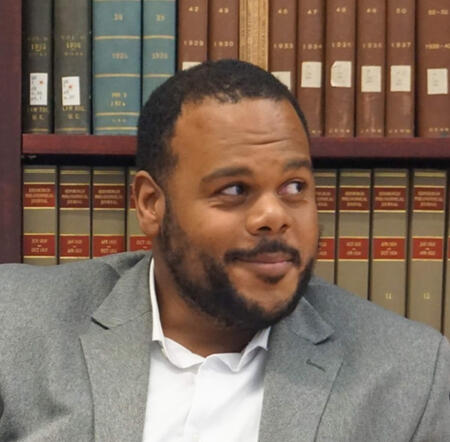
William Paris
(PI)Professor of Philosophy, University of TorontoResearch areas: history of African American philosophy, critical theory, political philosophy
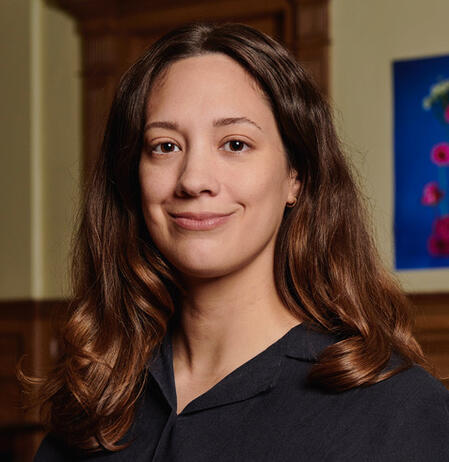
Karina Vold
(PI)Professor of Philosophy, Institute for the History and Philosophy of Science and Technology and the Department of Philosophy, University of TorontoResearch areas: philosophy of AI, cognitive science, mind, ethics of technology
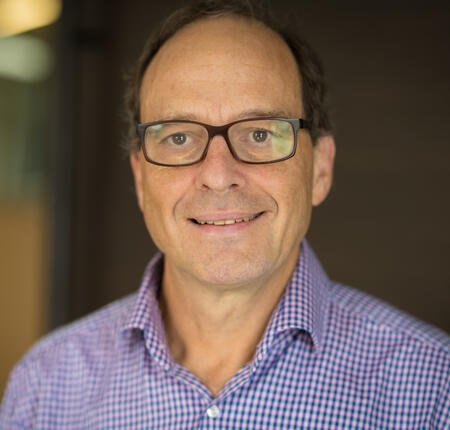
Sergio Tenenbaum
(PI)Professor of Philosophy, Director of the Centre for Ethics, University of TorontoResearch areas: Ethics, Practical Reason, Philosophy of Action, Kant
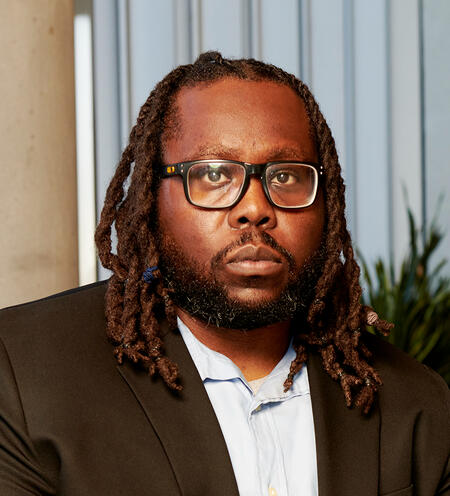
Miron Clay-Gilmore
(Postdoctoral Fellow)Centre for Ethics, University of TorontoResearch areas: philosophy of AI, race, Africana philosophy, black male studies
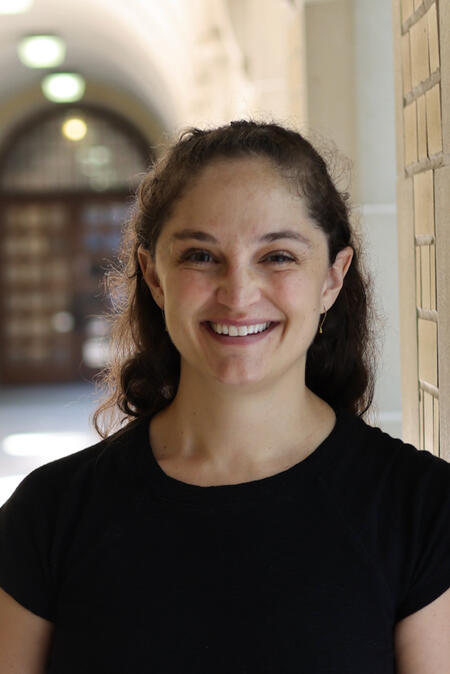
Ellen Abrams
(Collaborator)Assistant Professor at the Institute for the History and Philosophy of Science and Technology, University of TorontoResearch areas: history of science and mathematics, STS, critical data studies
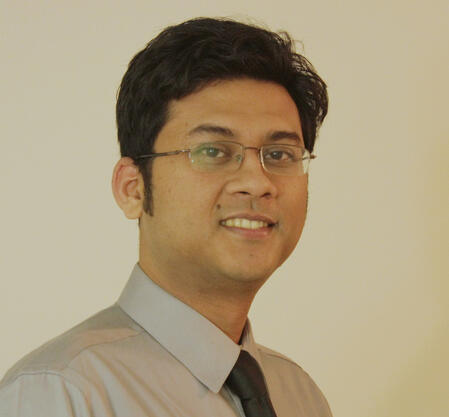
Ishtiaque Ahmed
(Collaborator)Associate Professor of Computer Science, University of TorontoResearch areas: computer science, responsible AI, Human-Computer Interaction AI policy
Rima Basu
(Collaborator)Associate Professor of Philosophy, Claremont McKenna CollegeResearch areas: ethics, epistemology, philosophy of race, social philosophy
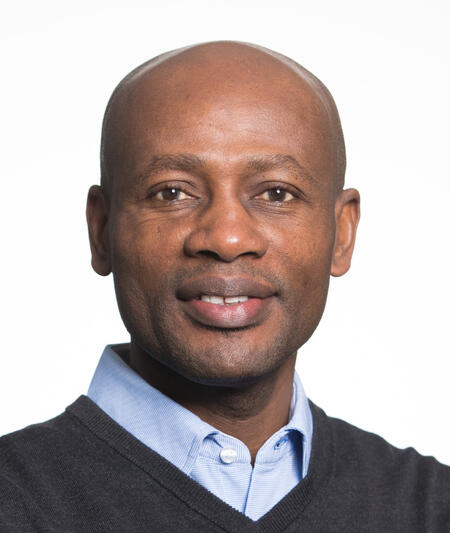
Gideon Christian
(Collaborator)Professor of AI and Law, University Excellence Research Chair in AI and Law, University of CalgaryResearch areas: AI and Law, environmental impacts of new and emerging technologies

Ryoa Chung
(Collaborator)Professor of Philosophy, Université de MontréalResearch areas: international relations, feminist studies, political philosophy, global health
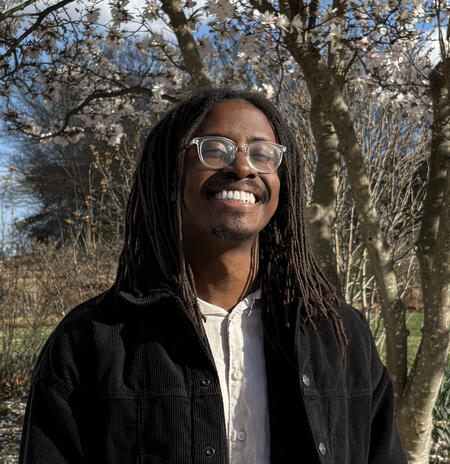
Jerome Clarke
(Collaborator)Assistant Professor of Philosophy and Religion, American UniversityResearch areas: technology ethics, critical philosophy of race, social philosophy
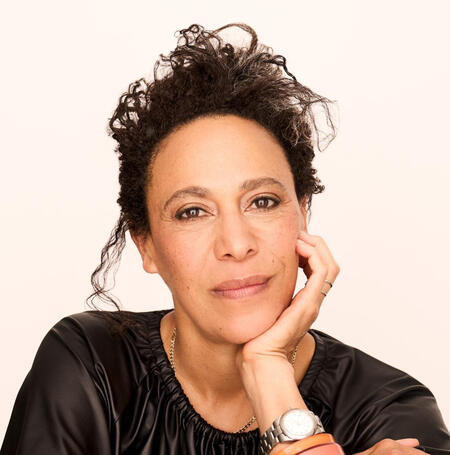
Beth Coleman
(Collaborator)Assistant Professor at the Institute of Communication, Culture, Information and Technology; Knowledge Media Design Institute Director, University of TorontoResearch areas: STS, data, responsible AI, race, smart technologies
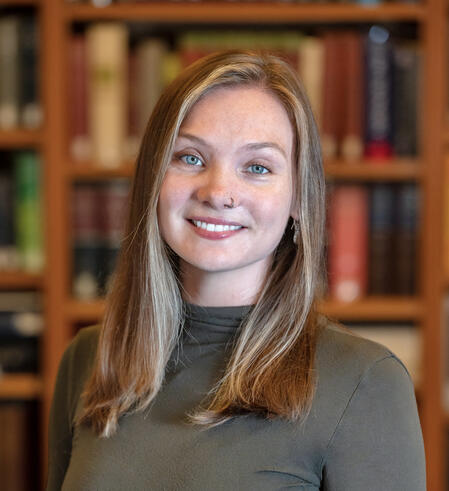
Rachel Cripps
(Graduate Fellow)PhD student in the Department of Philosophy, University of TorontoResearch areas: philosophy of AI, alignment, climate and environmental ethics
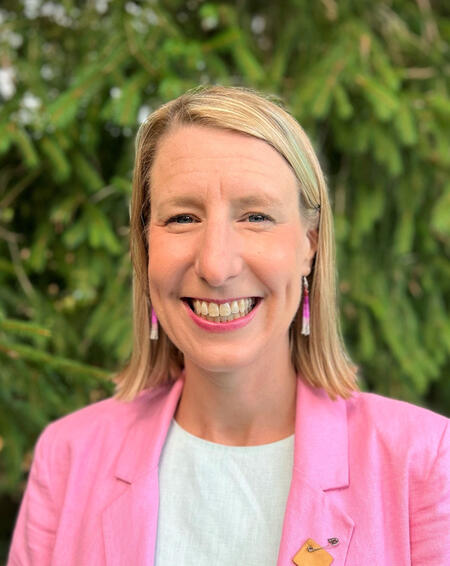
Jesslyn Dymond
(Collaborator)Director of Data Ethics at TELUS leading the approach to responsible data-driven innovation, drawing on a background of privacyResearch areas: Responsible AI, AI Governance, Data Ethics, Indigenous Reconciliation
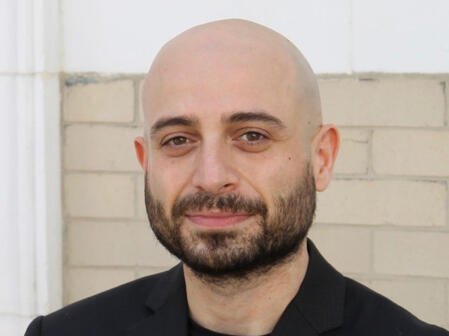
Sina Fazelpour
(Collaborator)Assistant Professor of Philosophy and Computer Science, Northeastern UniversityResearch areas: philosophy of AI, cognitive science, computational social science
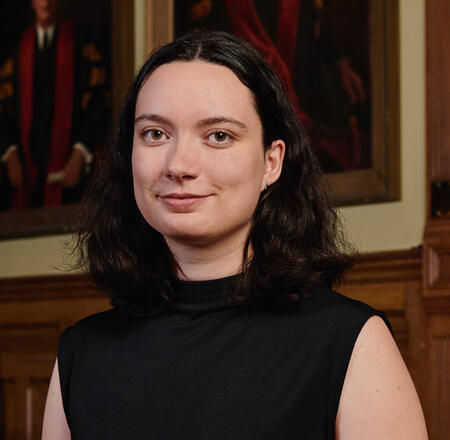
Helena Gagnier
(Collaborator)Strategy Manager, Data Ethics & Trust Engagement at TELUSResearch areas: data ethics, responsible AI, public trust in technology
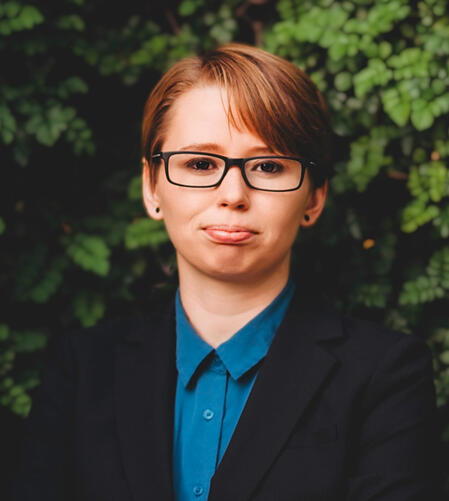
Gabbrielle Johnson
(Collaborator)Assistant Professor of Philosophy, Claremont McKenna CollegeResearch areas: philosophy of cognitive science, psychology, and AI, social bias
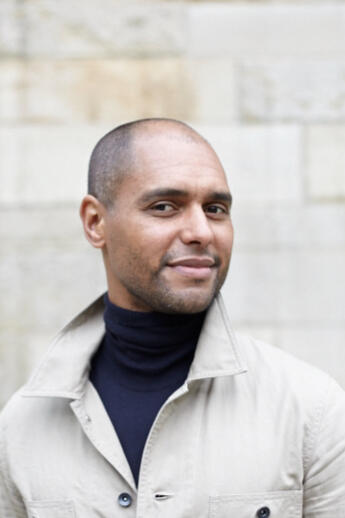
Edward Jones-Imhotep
(Collaborator)Professor and Director on leave of the Institute for the History and Philosophy of Science and TechnologyResearch areas: history of science and technology, esp. the social and cultural life of machines
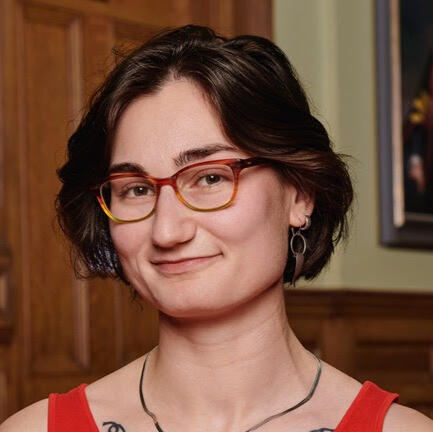
Rachel Katz
(Graduate Fellow)PhD student at the Institute for the History and Philosophy of Science and Technology, University of TorontoResearch areas: philosophy of psychiatry, AI ethics, bioethics

Yoelit Lipinsky
(Collaborator)Data Ethicist at TELUSResearch areas: data ethics, data science, responsible AI

Jocelyn Maclure
(Collaborator)Professor of Philosophy and Stephen A. Jarislowsky Chair on Human Nature and Technology at McGill UniversityResearch areas: ethics, political philosophy, the philosophy of AI and social epistemology
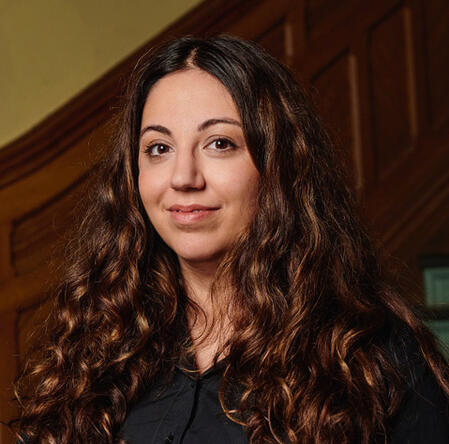
Kimiya Missaghi
(Collaborator)PhD Candidate in the Institute of Feminist and Gender Studies, University of OttawaResearch areas: STS, ethics of AI, feminist migration studies, refugee governance

Julia Minarik
(Graduate Fellow)PhD student in the Department of Philosophy, University of TorontoResearch areas: Philosophy of Mind, Epistemology, Aesthetics, Pragmatism
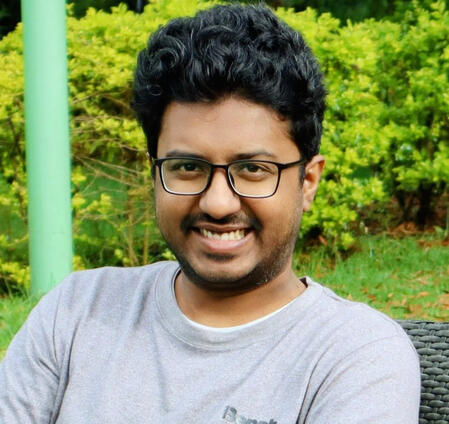
Ramaravind K. Mothilal
(Graduate Fellow)PhD Student in Computer Science, University of TorontoResearch areas: AI safety, Reasoning, Human-Computer Interaction, Natural Language Processing, Informal Logic, Argumentation
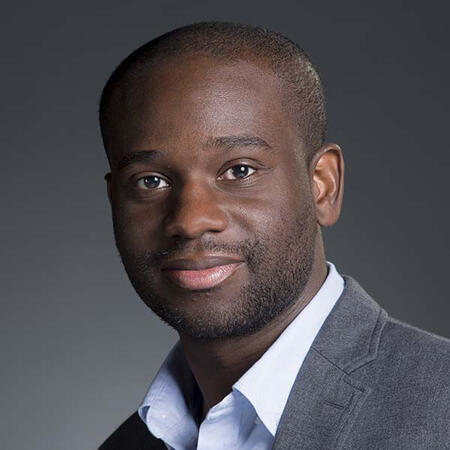
Osonde A. Osoba
(Collaborator)Professor of Policy Analysis, RAND School of Public PolicyResearch areas: machine learning, policy analysis, algorithmic bias, AI safety

Zachary Smith
(Collaborator)Associate Director of the Chiefs of Ontario's (COO) Research and Data Management (RDM) sector
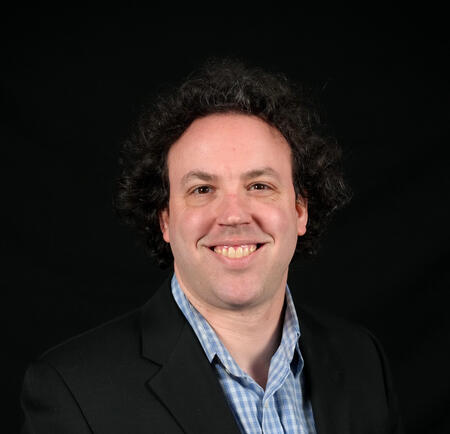
Benjamin Wald
(Collaborator)Assistant Professor in Philosophy, Univeristy of TorontoResearch areas: ethics of AI, moral theory and philosophy of action
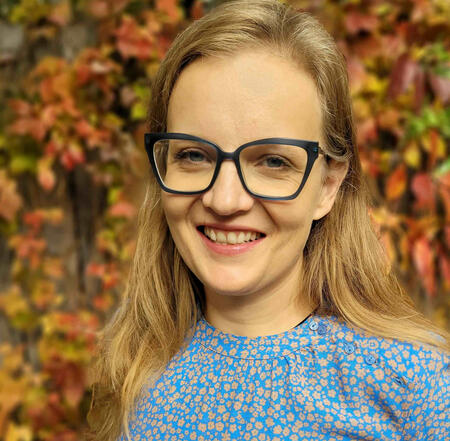
Kristin Voigt
(Collaborator)Associate Professor with the Institute for Health and Social Policy and Department of Philosophy, McGill UniversityResearch areas: moral philosophy, applied ethics, health and social policy
past fellows
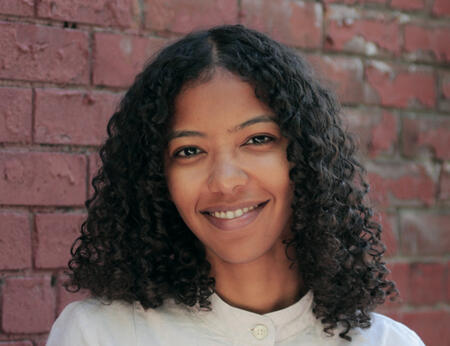
Leena Abdelrahim
(Graduate Fellow)PhD student in the Department of Philosophy, University of TorontoResearch areas: social epistemology, social philosophy, artificial intelligence, philosophy of race.

Andrea Cheung
(undergraduate fellow)Undergraduate student double majoring in Ethics, Society & Law and Women & Gender Studies, University of TorontoResearch areas: Responsible AI, Indigenous Reconciliation, Privacy in Biometric Technologies
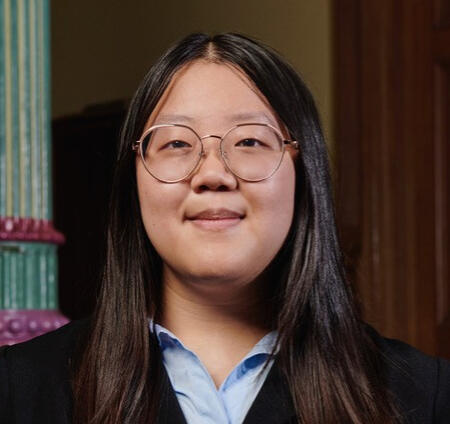
Emily Huynh
(undergraduate fellow)Undergraduate student double majoring in Molecular Genetics & Microbiology and Cell & Molecular Biology, University of TorontoResearch areas: ethics of AI, philosophy of AI, responsible AI
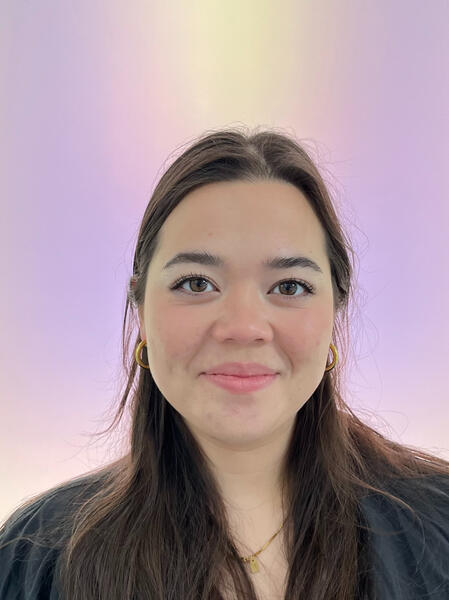
Petrina van Nieuwstadt
(undergraduate fellow)Undergraduate student specializing in Philosophy, University of Torontoethics of AI, algorithm bias, political epistemology, philosophy of religion, critical theory
partners

University of Toronto
Centre for Ethics, University of Toronto

Centre de recherche en éthique/Centre for Research in Ethics (CRÉ), Québec

Chiefs of Ontario

Department of Philosophy, University of Toronto

Institute for the History and Philosophy of Science and Technology, University of Toronto

Schwartz Reisman Institute for Technology and Society, University of Toronto

Data & Trust Office, TELUS Corporation
